
Glasses for Oblong Face: Frames That Add Width and Break Up Length
A practical guide to glasses for oblong face features, including wider soft-square, panto, browline, cat-eye, bridge, lens depth, rim weight, and color decisions.
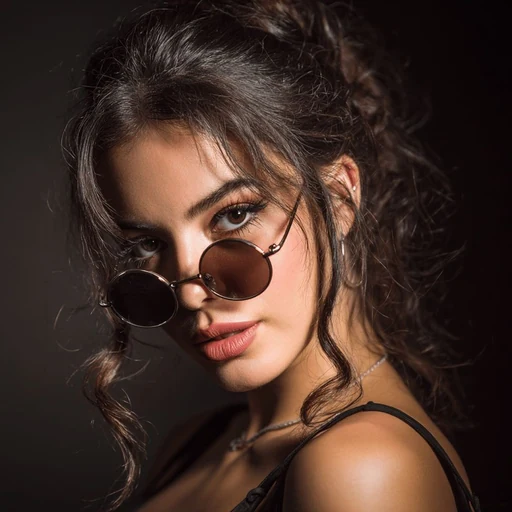
Written by
Aurcue CMO and personal style editor, sharing practical guidance on outfits, color, hair, glasses, and everyday style decisions.
The best glasses for an oblong face usually add a little width, break up vertical length, and keep the frame from sitting too high or too narrow. Start with wider soft-square frames, panto shapes, balanced browline frames, gentle cat-eye, deeper rounded rectangles, or acetate frames with visible upper corners. The goal is not to make the face look shorter by force. It is to give the eye a horizontal anchor so the forehead, cheek area, and jaw do not read as one long uninterrupted line. A photo-based AI Glasses Style Analysis can help when the difference comes down to frame width, lens depth, bridge height, or whether the rim is too light for your proportions.
Key takeaways
- Width matters first: A slightly wider frame can balance face length better than a narrow frame in a trendy shape.
- Do not go too shallow: Very slim rectangular lenses can make an oblong face look even longer.
- Soft-square is usually the safest first try: It adds horizontal structure without becoming harsh.
- Panto and browline frames can work well: They break up vertical space around the eyes when the sizing is right.
- Tiny round frames are risky: They can leave too much empty vertical space above and below the glasses.
- Bridge height changes the whole result: A frame that sits too high can lengthen the lower face; one that sits too low can drag the face down.
Quotable definition: The best glasses for an oblong face are frames that add measured width, keep enough lens depth, and create a visible horizontal anchor without overwhelming the face.
How to tell if this guide applies to you
An oblong face is usually longer than it is wide. The forehead, cheekbone area, and jaw may look fairly even in width, but the overall face length is the strongest visual signal. The chin may be softly rounded, straight, or slightly narrow. In a straight-on photo, the face often reads tall and balanced rather than wide, sharp, or strongly tapered.
Use this guide if these cues sound familiar:
- your face looks noticeably longer than it is wide;
- narrow glasses make the middle of your face look small;
- very shallow rectangular frames make the lower face look longer;
- tiny round glasses feel lost or too delicate;
- oversized aviators slide into a long, droopy look;
- you want glasses that add presence without making the frame look heavy.
Most people are not one clean face shape. You might be oblong-oval, oblong-square, oblong-heart, or close to rectangle. If you are not sure, start with the broader what glasses suit my face upload-photo guide. Then come back here if face length seems to be the main issue you are trying to balance.
Decision table: best glasses for oblong face features
| Frame direction | Why it can work | Best version to try first | Watch out for |
|---|---|---|---|
| Wider soft-square | Adds horizontal structure and makes the face feel less stretched | Medium or slightly wide acetate with softened corners | Very flat, tiny rectangles can lengthen the face |
| Panto | Gives roundness with a stronger upper frame line | Panto with medium lens depth and a bridge that does not sit too high | Narrow panto frames can pinch the center of the face |
| Browline | Breaks up vertical length at the brow and adds definition | Slim or medium browline with a lighter lower rim | Thick black browlines can feel top-heavy |
| Rounded rectangle | Practical shape that adds width without looking theatrical | Rounded rectangle with visible lens depth | Ultra-slim rectangles can make the face look longer |
| Gentle cat-eye | Adds lift and a little outer width | Subtle outer lift, not a sharp wing | Dramatic cat-eye can fight a calm, elongated face |
| Keyhole bridge | Can lower the visual bridge and add character | Medium acetate with balanced nose fit | Poor bridge fit will slide or sit too low |
| Light aviator | Can add width and lens depth | Soft teardrop or squared aviator in a restrained metal | Oversized droopy aviators can pull the face downward |
The common shortcut is "oblong faces need wide glasses." That is partly true, but it is incomplete. A frame can be wide and still wrong if the lenses are too shallow, the bridge sits too high, or the rim disappears against your features. Check width first, then lens depth and bridge height.
What to avoid
1. Narrow frames that squeeze the face
A narrow frame creates a small island in the middle of a longer face. In product photos it can look neat. On a real face it often makes the temples, cheek area, and jaw look longer because the glasses do not claim enough horizontal space.
Look for a frame that reaches close to the natural width of your face without sticking far past it. The outside corners should feel intentional. They should not pinch inward, and they should not float far away from the temples.
2. Very shallow rectangles
Slim rectangular glasses can be sharp on some faces, but they are often unforgiving on oblong features. They add a thin horizontal line while leaving too much vertical space above and below the lenses. That can make the face look longer, not more balanced.
If you like rectangular frames, try a deeper rounded rectangle or a soft-square frame instead. You still get structure, but the lenses take up enough space to break the vertical line.
3. Tiny round frames
Round frames can be charming, but tiny circles are usually the harder version for oblong faces. They may sit too high, look too small for the face length, and leave the lower face feeling visually empty.
If you want roundness, try panto, oval-panto, or a round-square frame with enough width. The shape can still be curved without becoming small.
4. Droopy oversized aviators
Aviators are not automatically bad for an oblong face. The problem is the low, drooping teardrop shape that stretches the visual line downward. If the lenses are very large and the bridge sits low, the frame can make the lower face look longer.
The safer version is a lighter aviator with a cleaner lower edge, moderate lens size, and enough width at the top.
5. Frames that sit too high
Bridge height is easy to ignore until you compare photos. If the frame sits too high, it can leave the lower half of the face looking long. If it sits too low, it can pull the face downward. Neither is ideal.
For many oblong faces, a balanced bridge that places the lens center naturally around the eyes works better than an extreme high bridge or an intentionally low vintage fit.
Examples: what to try first
Oblong face with soft features
Try wider panto, translucent acetate, soft-square, or rounded rectangle frames in medium colors. Clear smoke, olive-gray, warm tortoise, or brushed metal can add shape without making the glasses the loudest part of the face. Avoid frames that are both tiny and very pale, because they may disappear.
Oblong face with stronger jaw or brow
You can usually handle more frame presence. Try a wider soft-square, browline, or acetate rounded rectangle. Keep the corners softened if the jaw is strong. This is where advice overlaps with a square-face glasses guide, but the oblong version usually needs more lens depth and horizontal balance.
Oblong-oval mix
An oblong-oval face often looks good in frames that are clean rather than dramatic. Try panto, oval-square, soft-square, or a subtle cat-eye. You probably do not need the strongest browline or heaviest acetate. The frame should add a decision, not dominate the face.
Oblong-heart mix
If the forehead is wider and the chin narrows, borrow lightly from heart shaped face glasses advice. Avoid making the upper face too heavy. A soft panto, gentle cat-eye, or medium rounded rectangle may work better than a thick browline.
Oblong face with low-contrast coloring
Try medium tortoise, clear gray, muted green, champagne, or brushed gold. Flat black can look clean, but it may be too stark if your hair, skin, and eye contrast are softer. Color changes the apparent size of the frame, so test it in a straight-on photo rather than judging from the product page.
Where Aurcue fits
Aurcue is useful before you buy, not after the return window becomes annoying. A good AI Glasses Style Analysis should not stop at "long face equals wide frames." It should explain the visible fit signals that make the advice usable:
- whether the frame width balances your face length;
- whether the lens depth breaks up vertical space;
- whether the bridge sits too high, too low, or naturally around the eyes;
- whether the top line creates enough horizontal anchor;
- whether the rim weight is too light or too heavy for your features;
- whether the color supports your skin, hair, and outfit palette;
- whether the frame feels too narrow, too droopy, or too delicate in a real photo.
If your face is closer to round, the frame logic changes. A round-face frame guide usually adds more angle and lift. If your face is closer to oval, the oval face glasses guide is more about choosing a deliberate style direction. Oblong faces sit in a different lane: the most important job is balancing length without making the frame feel bulky.
Limitations
This guide is about style fit, not prescription, lens safety, eye health, medical care, or face scoring. It cannot tell you whether a frame will feel comfortable all day, whether the nose pads fit correctly, whether your prescription works with a large lens, or whether progressive lenses will be easy to use in that shape.
For those decisions, you still need an optician or eye-care professional. Use a style shortlist to avoid wasting time on the wrong shapes, then check comfort, prescription, lens thickness, return policy, and real measurements before buying.
Frequently Asked Questions
What glasses look best on an oblong face?
Wider soft-square, panto, browline, rounded rectangle, gentle cat-eye, and balanced aviator frames are usually good starting points. The best version depends on width, lens depth, bridge height, rim weight, and color. A frame that is slightly wider with enough lens depth often works better than a very narrow trendy frame.
Should oblong faces wear oversized glasses?
Sometimes, but oversized is not the same as balanced. A frame can be a little wider or deeper without being huge. Very oversized glasses may pull the face downward, especially if the lens shape is droopy. Start with moderate width and moderate depth before trying a dramatic oversized frame.
Are round glasses good for an oblong face?
Round glasses can work if they are not tiny or too narrow. A panto or round-square frame is often easier because it gives roundness while keeping enough width and structure. Tiny round frames can leave too much vertical space around the glasses.
Are rectangular glasses good for an oblong face?
They can be, but avoid very shallow rectangles. A deeper rounded rectangle or soft-square frame is usually safer because it adds width and takes up enough vertical space. The problem is not the rectangle itself. The problem is a thin, narrow rectangle that lengthens the face.
What frame color is best for an oblong face?
Choose color based on contrast, not only face shape. Medium tortoise, clear gray, warm brown, muted green, champagne, brushed gold, or charcoal can work well. Flat black may be right for higher-contrast features, but it can look too heavy on softer coloring.
Can an AI glasses report replace trying frames on?
No. It can narrow the shortlist and explain which shapes, widths, colors, and bridge placements are worth trying. It cannot replace comfort, prescription checks, lens thickness, nose fit, or how the frame feels after real wear. Use AI for the style decision, then use real fitting for the final decision.
Summary
For an oblong face, start with glasses that add measured width and break up face length: wider soft-square, panto, browline, rounded rectangle, gentle cat-eye, keyhole-bridge, or restrained aviator frames. Avoid narrow, shallow, tiny, or droopy frames unless they solve a specific fit problem in your photo. Check width first, then lens depth, bridge height, upper-frame line, rim weight, and color. The frame should make the face feel balanced, not shorter by force.